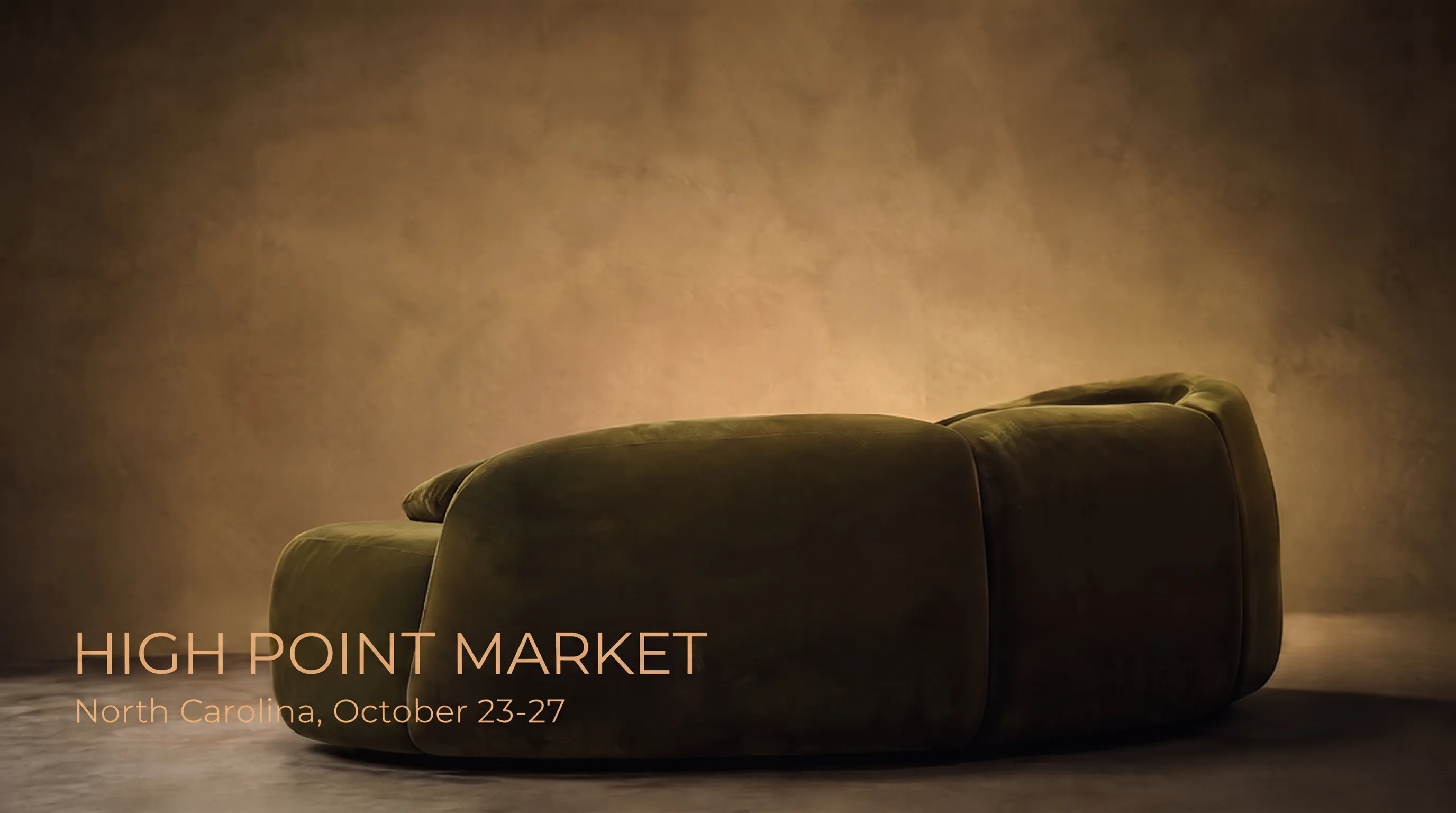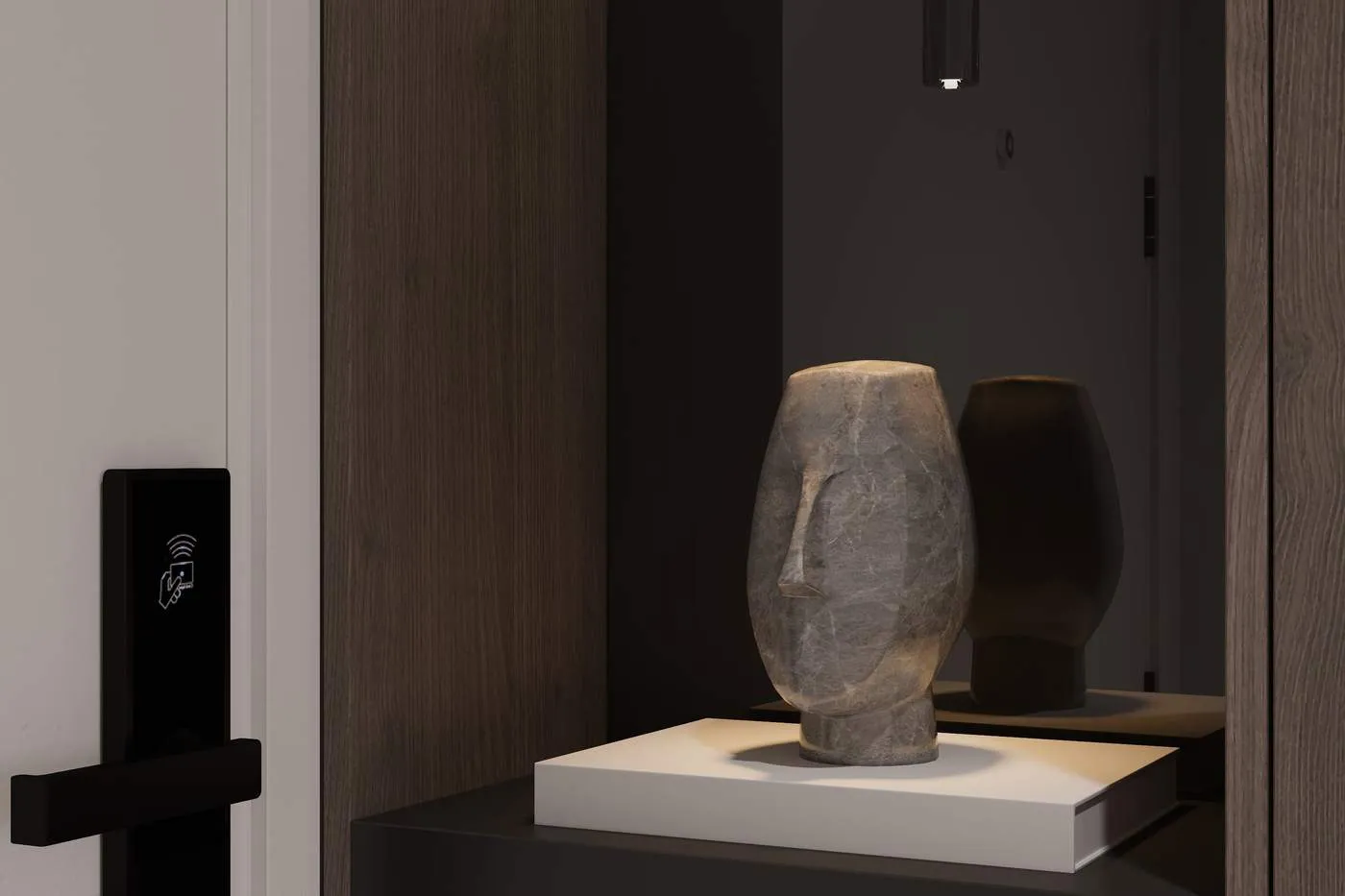
The season confirmed a bet on texture and natural materials over colour — and why these two events are worth reading together, not separately.
Why these two events get compared in one round-up
Autumn Maison&Objet in Paris and the London Design Festival fall in September, days apart, and many designers visit both on one trip — Paris shows what big brands are bringing to market, London shows what independent studios are forming that will reach mass collections a year or two later.
London Design Festival: over twenty years of history
The festival was founded in 2003 by John Sorrell and Ben Evans and has run every September since — over 2,000 participating studios and more than a million visitors across the event.
The festival’s signature format is "design districts" — Bankside, Brompton, Clerkenwell, King’s Cross, Mayfair, Shoreditch and others become simultaneous venues for exhibitions and open studios across the city, rather than one central hall.
Autumn Maison&Objet: how it differs from the January session
The autumn session runs in the same format as winter — same Paris venue, same mix of furniture, decor, textiles and home objects — but historically it is the autumn edition that more often sets the direction for the whole following year, with January refining rather than reinventing it.
Texture over colour — what both venues showed
At both venues, what stood out was not bright palettes but varied surfaces in muted tones — fluted wood, rough unpolished stone, coarsely woven fabric. This continues a direction already visible at January’s IMM Cologne and Maison&Objet and at Milan’s spring Salone del Mobile.
- Raw, fluted wood — repeating for a third season across several venues
- Rough, matte stone displacing polished marble in decor displays
- Coarse, visibly woven fabrics like herringbone instead of smooth, textureless cloth
- A muted, non-contrasting palette that highlights texture rather than competing with it
Independent design in London versus major brands in Paris
The London festival’s district format lowers the barrier to entry — showing work in a Shoreditch studio is cheaper than renting a stand in Paris — so trends form here a year or two before reaching filtered, commercially proven mass collections.
Maison&Objet mostly gathers established brands with ready production, and what is shown there is usually ready for mass delivery within months, not years. London is the early hypothesis, Paris its commercially confirmed version.
How to check whether a trend is lasting or a one-fair fluke
- Does it repeat across several studios at both venues, not one experimental brand
- Is it confirmed by earlier fairs in the season — January and spring — not just September
- Does it pair with materials already in the interior, or require replacing everything
- Can it be tried cheaply through textiles or one decor piece first
What of this applies to made-to-order furniture
The focus on texture over silhouette is good news for made-to-order furniture specifically: craftsmanship and material honesty become more noticeable than a season’s fashionable shape — bespoke production already works around visible, not hidden, material texture.
Outlook for the rest of the year
With the texture direction now confirmed across four venues in a row — January Cologne and Paris, spring Milan, now autumn Paris and London — it has enough confirmation to call it the year’s trend rather than a one-season fluke. The next check is Q4 sales data, showing whether the showroom idea became real orders.
How this season compares with last autumn
Last autumn the same venues already showed an early shift toward textured natural materials, then just one of several parallel directions alongside colour experiments and era-mixing. This autumn, texture clearly overtook the others to become the dominant theme at both fairs rather than one among equals — the direction did not just continue, it consolidated.
What usually happens to a trend like this over the next twelve months
Based on past similar cycles, a direction confirmed across four venues in a year usually does not fade abruptly but dissolves into the regular range — within a year or two, textured natural materials stop being a headline "trend" and simply become standard stock for major brands. Good news for anyone committing to the material now: it will not suddenly look dated.
What to watch for in next year’s collections
If texture has genuinely taken hold, the next round of conversation likely shifts from "what is shown" to "how it gets mass-produced" — cheaper imitations of textured surfaces will appear, and honest-material-versus-imitation becomes its own topic, as happened years ago with marble-look porcelain. For made-to-order furniture this is an opportunity, not a risk — material honesty is exactly what bespoke production can offer without compromise.
How a private buyer can use this round-up in practice
If a renovation is planned sometime in the coming year rather than right now, it makes sense to budget for textured natural materials now rather than wait for a fading trend to get cheaper — given the direction strengthened rather than weakened, demand for honest wood and stone texture is more likely to rise than fall.
How a professional and a private buyer read this round-up differently
A professional attending for work gathers observations from dozens of stands and compares them only after returning, usually within a week or two — hence the gap between a fair closing and a thorough press round-up. A private buyer does not need to repeat that process personally: reading a wrap-up after several independent sources already agree is enough, rather than acting on the first striking post right after opening day.
The risk of copying a fair stand literally
A fair stand is built for a striking photo under ideal, almost museum lighting, not for everyday apartment life — fluted wood and rough stone that look dramatic under directional show lighting can read differently, duller or too rough, under ordinary home lamps. The sensible move is transferring the idea — honest, visible material texture — not copying a stand’s exact combination literally, without accounting for real lighting and room scale.
What to ask a showroom consultant after reading a round-up like this
After reading a trend round-up, it makes more sense to walk into a showroom with a specific question — which current fabrics and wood finishes come closest to the visible, raw-texture direction, and how practical they are for your actual scenario — rather than "I want what I saw at the fair." The general direction becomes a concrete material choice only through that conversation.
Takeaway: what to remember from the two fairs
The main practical takeaway from this autumn is not a specific shade or wood species but the industry’s shift in attention from shape to material and its honesty — something bespoke production already works by default, regardless of what Paris or London showed this particular season.
What this means for those who do not follow fairs at all
Not every buyer has time to read fair round-ups every season, and that is fine — it is simpler to walk into a workshop and ask directly which materials are currently the most reliable, not fashionable, choice for years ahead. A good workshop follows fair trends not to sell what is fashionable, but to track where supplier material and hardware quality is heading, and can summarise a trend in one sentence.
The next such round-up will follow the winter IMM Cologne and Maison&Objet in January — traditionally the point where it becomes clear whether the autumn texture direction held, or the industry unexpectedly turned elsewhere, as sometimes happens after a sharp economic shift during the year.
Until then, it makes sense to treat this autumn as a closed chapter rather than an open question — texture has been confirmed four times running this year, enough to build near-term interior decisions on it rather than wait for a fifth confirmation likely to repeat the same conclusion.
If taking just one thing from this round-up without reading it in full: look in fair coverage not for a trend’s name but for the same idea repeating across several independent venues — repetition, not one striking stand photo, is what separates a year’s direction from one season’s pretty display.
A short glossary of terms from this round-up
Design district — the London Design Festival format where a city neighbourhood becomes a festival venue with its own studios, galleries and open workshops. Capsule collection — a limited-run collection a major brand shows at a fair as an experiment before deciding whether to add it to the permanent range. Both terms recur in trade coverage and are worth knowing to read primary sources, not just summaries.
A third term, rarely explained but often used, is trade visitor — an accredited professional attendee, as opposed to a public open-day visitor. Fair organisers judge an event’s commercial weight by the number and makeup of trade visitors, not just total attendance, which can be inflated by tourists and locals unrelated to the industry.
Knowing these three terms makes reading primary sources — official fair press releases, not just blog summaries — noticeably easier, and the gap between "was shown" and "confirmed by numbers" stops slipping past on a quick skim.
That is a good place to close this autumn’s round-up — the next big reason to return to the topic comes in January, with a new round of fairs and, likely, another turn of the same material-and-texture story.
For now, there is no need to wait for January’s results — it is a good moment to quietly consider which of this autumn’s ideas actually suits a particular home best.
Frequently asked questions
Which material stood out most this season?
Raw and fluted wood paired with matte, unpolished stone — this combination appeared more often than others at both venues.
What is the difference between London Design Festival and Maison&Objet?
London is a city-wide district format with experimental, often independent design; Paris is a centralised fair of established brands with ready-to-ship products.
Will these trends appear in KALLEN HOME collections?
We take them into account when choosing new wood, stone and fabric finishes for bespoke orders, without copying shapes directly.
How many people attend London Design Festival?
Based on published figures — over a million visitors across the festival, with more than 2,000 participating studios and companies.
Where can I follow such round-ups going forward?
In the "World of furniture" section and our Telegram channel, which also carries the year-end wrap-up.