Oak outlasts most furniture woods when humidity stays at 40–60% — its real enemy is not time but a nearby radiator and dry air. What makes oak this durable, how it compares to other woods, and how to care for it.
What actually makes oak denser than other woods
Wood hardness is measured by different methods often confused in supplier catalogues: the Brinell scale under EN 1534 gives oak a coefficient around 3.0–3.7, versus roughly 1.5–1.6 for pine and about 2.0 for birch — a real-world difference you feel as fewer scratches from keys or a dropped knife.
Fibre density tracks growth speed — oak grows markedly slower than pine, and that slow, dense ring structure is exactly what gives the wood its hardness and pronounced grain. Fast-growing conifers cannot physically reach the same fibre density, however they are treated.
The main enemy is not time but dry air
Below 30% humidity — typical in winter near a radiator or underfloor heating without a humidifier — solid oak releases moisture faster than it can adapt and starts to shrink slightly, cracking along the growth rings rather than across the grain. Keeping humidity at 40–60% largely eliminates this regardless of the piece’s age.
The opposite — above 70% humidity, common in poorly ventilated rooms or right after a wet clean with no airing afterward — is also harmful, if less discussed: the wood absorbs excess moisture and can swell slightly at joints, making drawers stick. The goal is not maximum humidity but a stable 40–60% band, without sharp swings either way.
- Below 30% — shrinkage and ring-line cracking risk, typical near a winter radiator
- 40–60% — the safe band where oak keeps its shape for years
- Above 70% — joint swelling and sticking drawers, typical in damp, poorly ventilated rooms
- Keep furniture at least 1 metre from radiators or underfloor heating where layout allows
Oak against pine, birch and ash: what to choose for what
Pine is the most affordable and softest common furniture wood — easy to work and cheaper than oak, but its low hardness suits it poorly for tabletops facing daily dish contact and unprotected cutting. Birch sits in between, denser than pine but well behind oak on impact resistance, more often used for frames and plywood than exposed, load-bearing surfaces.
Ash is close to oak in hardness and even exceeds it in bending flexibility, which makes it popular for chairs and armrests, where give without cracking matters. Oak’s edge over ash is its distinctive, more pronounced grain, long considered a status texture in furniture-making, which is why oak wins out for statement tables and beds while ash tends toward more functional, less conspicuous pieces.
Solid wood, oak veneer on solid wood, and veneer on MDF — the durability difference
Solid oak is one continuous or laminated board of oak through the full thickness of the piece — a damaged surface can be sanded and refreshed dozens of times over its life, since the same dense wood sits underneath. Veneer on a different solid wood is a thin oak layer, roughly 0.5–3 mm, glued onto a cheaper base — visually identical, but a deep scratch or chip can sand straight through the thin layer.
Veneer on MDF is the cheapest option, where a thin oak layer sits on wood-polymer board rather than wood — it barely tolerates sanding and depends entirely on moisture never reaching the veneer-board joint, or the MDF swells from within, unrepairable at home. The price gap between these three tiers usually reflects the lifespan gap more honestly than a product description does.
Daily care: what actually helps, and what causes harm
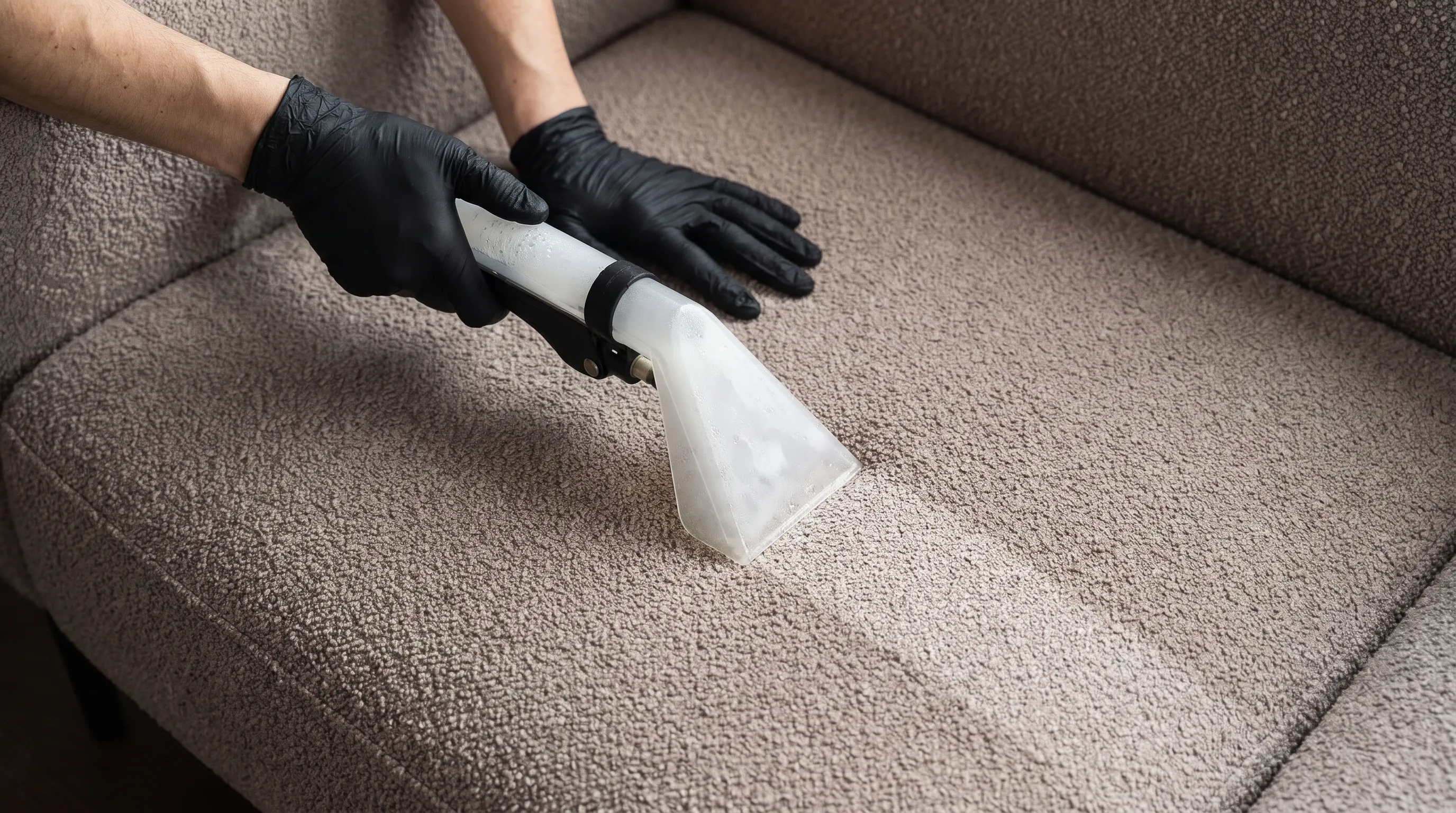
Wipe oak with a slightly damp soft cloth, avoiding alcohol- or ammonia-based household products — both break down the protective oil or lacquer layer faster than a label suggests, leaving the wood unprotected against moisture and dirt. A microfibre cloth is enough for dry cleaning, without lint or the mild abrasion some printed paper towels can cause.
Hot dishware and mugs should go straight on a trellis even if the finish seems heat-resistant — localised overheating eventually leaves a faint mismatched-sheen spot in the lacquer or oil layer that will not wipe away and needs spot refinishing.
Oil or lacquer: which finish, and how to maintain it
Oil finish soaks into the top fibre layer and feels warmer to the touch, but needs refreshing every one to two years under active use — a thin new coat replenishes what has absorbed and worn away. Lacquer forms a surface film, more water- and scratch-resistant in the moment, but a damaged patch needs full local refinishing rather than a simple thin top-up like oil.
For a dining table that regularly gets damp glass rings, oil tends to be more practical than lacquer exactly because of this easy spot top-up — a worn patch near the edge can be refreshed with oil in one evening, without touching the rest of the surface or taking the table out of use for days while lacquer cures.
- Oil: warmer feel, thin top-up every 1–2 years, easy to spot-repair
- Lacquer: tougher film against water and scratches from day one, but harder to spot-repair
- Both finishes are damaged by alcohol and ammonia, from the inside of the layer, not just the surface
- Trivets and coasters are mandatory for both finish types, no exceptions
What to do if water or liquid does land on an oak surface
A spill should be wiped immediately, not half an hour later — not so much from the water itself as from how, at the finish-wood boundary, repeated spills gradually wash out oil or weaken the lacquer film’s grip on the surface. One spilled glass, wiped within a minute, almost never leaves a mark on a quality finish.
Which oak finish suits which room
For a kitchen or dining zone, where the table meets moisture and heat most often, an oil finish with enhanced water repellence is more practical — easier to spot-refresh exactly where wear concentrates. For a study or bedroom, where a table or dresser rarely sees water, the choice leans toward aesthetics, and a deeper, richer lacquer sheen fits better since the "easier to spot-repair" argument matters less there.
Patina: how oak’s colour changes over years of use
Freshly finished oak is lighter than the same table five to seven years into active use — light and air gradually darken the surface into a deeper, amber tone, a process called patina and considered a virtue, unlike the uneven fading from direct sun discussed above. The difference is that patina spreads evenly across the whole exposed surface, while sun fading creates a visible line between an area under a vase or tablecloth and the rest of the table.
Patina cannot be stopped entirely, and most restorers would argue it should not be — it is exactly what gives an old oak table the look of graceful ageing rather than wear, a look hard to fake artificially. The one thing that can be managed is evenness: wiping the whole surface, not just visible areas, and occasionally repositioning decor objects on the table keeps patina from concentrating in the same spots.
Oak versus walnut veneer: different status niches
Walnut veneer on a different solid base is oak’s frequent rival in the premium segment, and comparing them on hardness alone is not quite fair — walnut usually appears as veneer on a denser base rather than as solid wood, due to higher raw-material cost and lower usable yield per tree. Oak offers something walnut rarely does on the mass market: an affordable solid piece of the same part, without paying extra for a decorative layer over a different base.
How oak’s price compares with other woods
Solid oak typically costs 30–50% more than comparable pine furniture and 15–25% more than birch — the gap reflects not just the raw material but harder, slower machining and sanding, which adds hours per piece. That premium almost always pays for itself over 10–15 years of use, measured as total cost of ownership rather than a one-off purchase price.
How to verify solid wood in a showroom
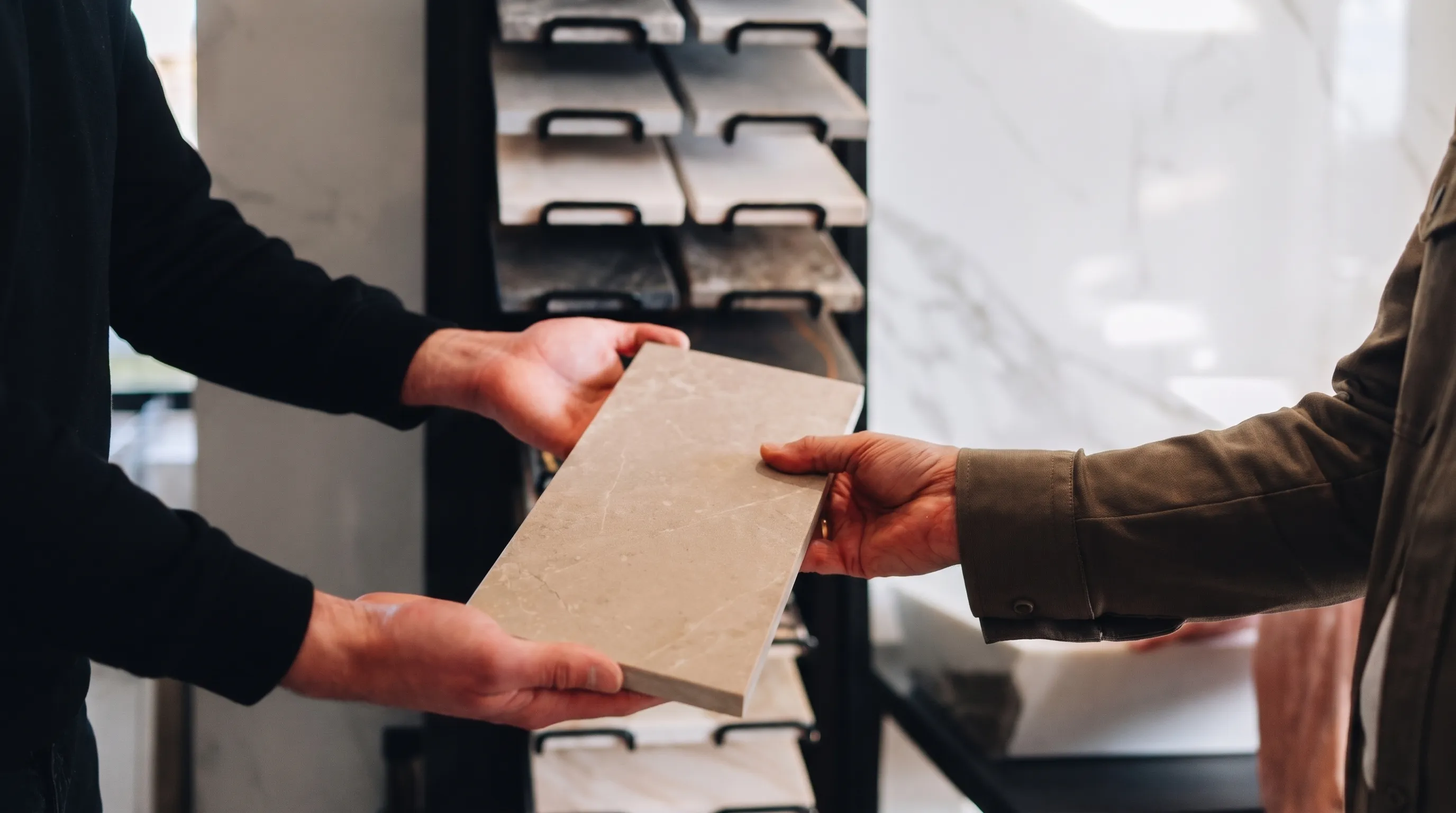
The simplest test is a light knuckle-knock on the tabletop from the edge and the face — solid wood gives a dense, even thud in both spots, while veneer on MDF sounds hollower from the edge, where a softer board sits beneath the thin wood layer. A second test is checking the underside, usually left less finished — solid wood shows a natural ring pattern continuing the face’s grain, while veneer undersides often look uniform or are made from a different, cheaper material.
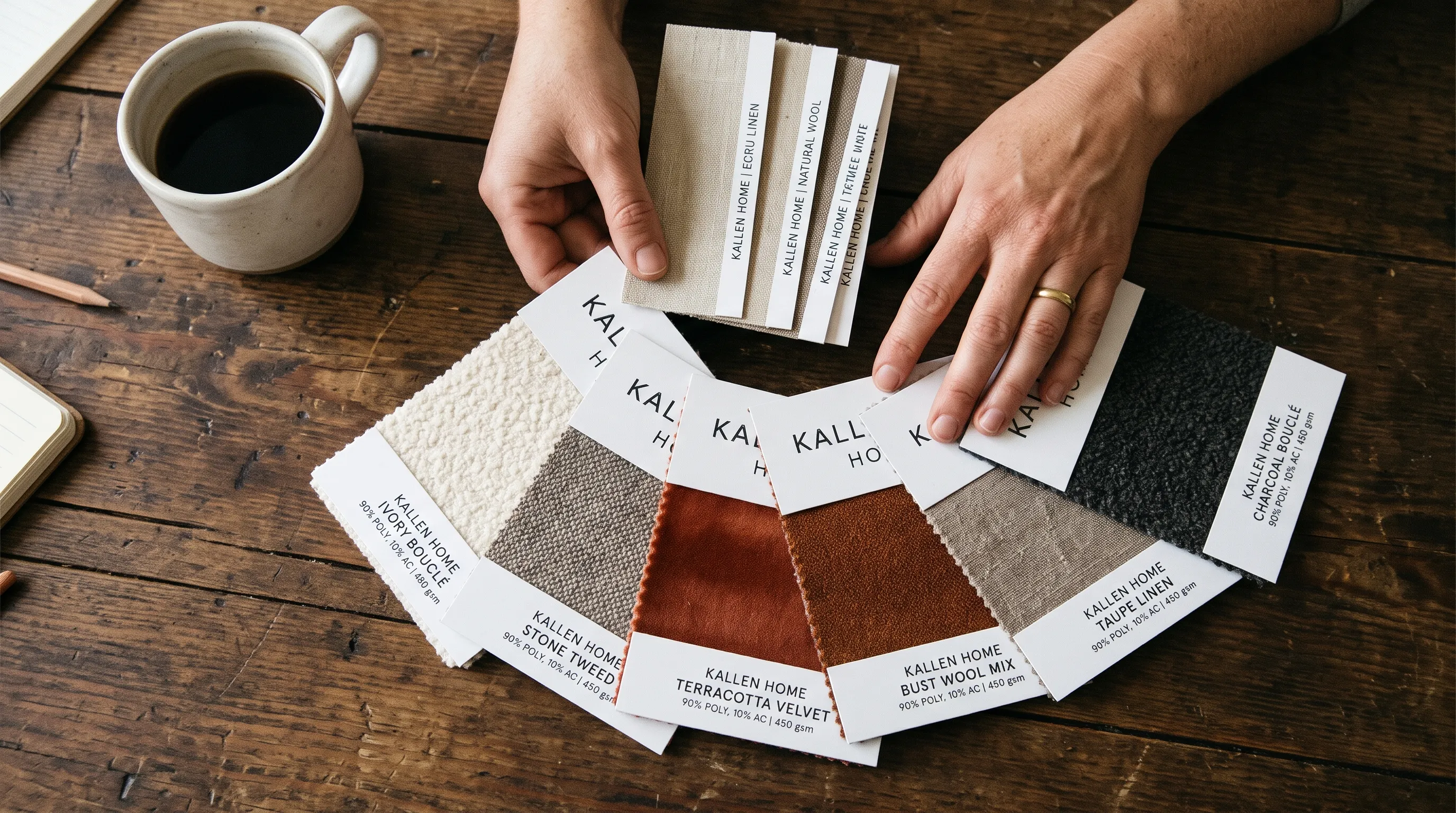
A third, most reliable method is asking the workshop directly about the top wood layer’s thickness and requesting a technical spec sheet or cut sample — an honest solid-wood maker will not dodge this, while a vague "it’s natural wood" with no specifics on layer thickness is a reason to ask for a sample before ordering.
Moving and a change of climate: what to watch for
Moving from a flat with central heating to a house with its own stove, or vice versa, puts oak furniture through an adaptation period to the new humidity level — anywhere from a few weeks to a couple of months, during which small, barely visible joint gaps are normal and usually close on their own as humidity stabilises. Sharply humidifying the air right after a move to "speed up" the adjustment is not advisable — wood adapts gradually, and too fast a swing in either direction creates more risk than a smooth transition.
Their practical advice is to tie oil refreshing to a clear calendar event rather than an abstract "someday" task — refreshing it once a year before the heating season starts, exactly when indoor air gets drier and the wood needs the extra protection most.
In the end, oak is a material that rarely forgives complete neglect but generously rewards minimal, regular care — an hour once a year is usually enough for a solid table or bed to serve more than one generation of a family, not just one owner of the flat.
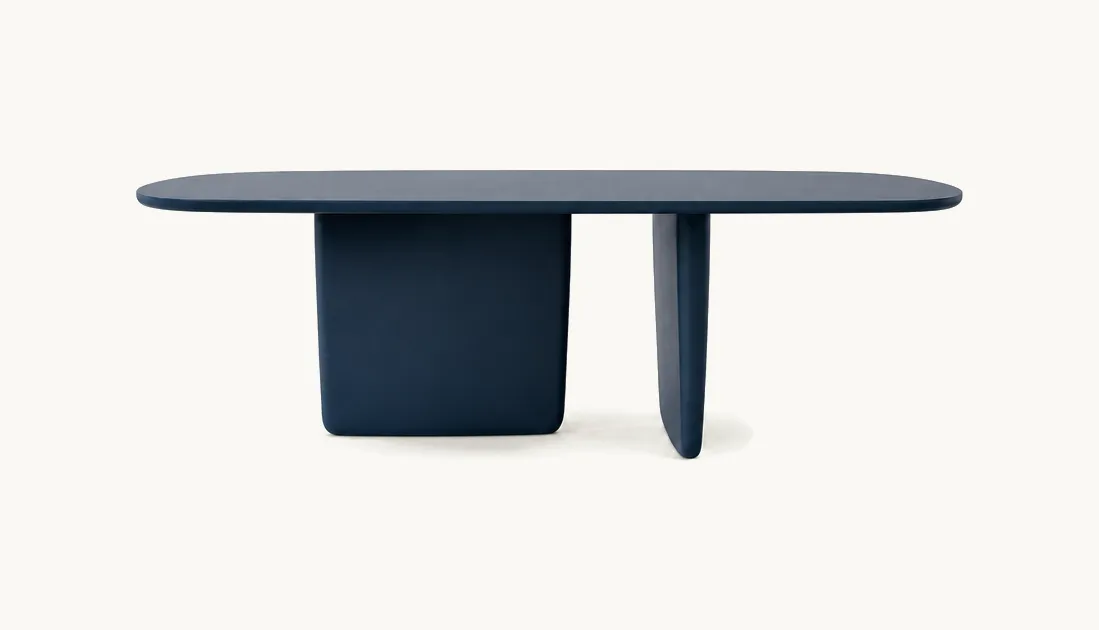
See the TORI table in the catalog
Frequently asked questions
How to maintain 40–60% humidity at home?
A humidifier in winter and normal ventilation in summer are usually enough; a cheap hygrometer removes the guesswork.
Can an oak table be placed near a window?
Yes, but prolonged direct sun should be avoided — the wood may fade unevenly and dry out more on one side.
Does oak’s protective coating need renewing?
Yes — oil needs refreshing every 1–2 years under active use; lacquer less often, but a damaged patch needs full local refinishing.
How does solid oak differ from oak veneer on another solid wood?
Solid wood is equally strong through its full thickness and survives repeated sanding; veneer is a thin 0.5–3 mm layer that a deep scratch can sand through.
How much pricier is oak than pine or birch?
Usually 30–50% more than pine and 15–25% more than birch — the premium pays for itself over 10–15 years of use.
Does oak darken over time, and is that normal?
Yes, that is natural patina from light and air, even across the whole surface — unlike uneven sun fading, and considered a virtue, not a defect.