Linen creases naturally — a property of the fibre, not a defect. A full rundown of linen upholstery’s pros and cons, from fibre strength to spilled coffee, and why creasing is not the only thing to weigh before ordering.
Where linen physically comes from, and why that shapes price and quality
Linen fibre comes from the stalk of the flax plant through a multi-stage process: stalks are soaked or field-retted to ferment naturally, then mechanically separated from the woody core, combed and spun into yarn. The finished fibre’s quality depends heavily on how carefully retting was done — an over- or under-retted stalk gives coarser, less even fibre that spins worse and yields a weaker, less uniform fabric.
This is why linen price and quality vary more between suppliers than synthetic fabrics made to a strictly controlled chemical formula — linen is an agricultural product dependent on a given year’s climate and growing region, not only on factory processing technology.
Pro: linen is one of the strongest natural fibres
Linen’s paradox: despite creasing easily, it is one of the strongest plant fibres by tensile strength, noticeably stronger than cotton at the same weight. The stiffness that causes creasing is the same property that resists tearing and lasts decades with reasonable care — why linen tablecloths get passed down generations rather than wearing out in a couple of years.
Pro: linen does not build static or attract dust
Like most natural fibres, linen barely builds static charge, unlike synthetics that noticeably "spark" and attract dust electrostatically in dry winter heating air. A linen sofa visibly collects less lint and pet hair for exactly this reason, not because it sees less use.
Pro: linen only softens with age
Unlike many fabrics that thin and fade with age, linen softens and gains a characteristic matte texture without losing strength — textile people call this "noble ageing." A linen-covered sofa after five years often looks not worse but differently interesting than in its first year, provided the frame and filling stay sound.
Con: linen creases, and it is the first thing people notice
Linen fibre is stiff with little stretch, so creases do not smooth out under a sitter’s weight the way they do on more elastic fabrics. Not a reason to avoid linen — a character trait to accept knowingly, not mistake for a defect in the first week of use.
Con: linen shrinks if washed incorrectly
Washed hot or spun aggressively, linen fibre can shrink 3–5% in area — for a removable cover, one bad wash can mean the zipper no longer closes easily. A delicate cycle under 30°C and air drying essentially eliminate this risk.
Con: acidic spills soak in fast
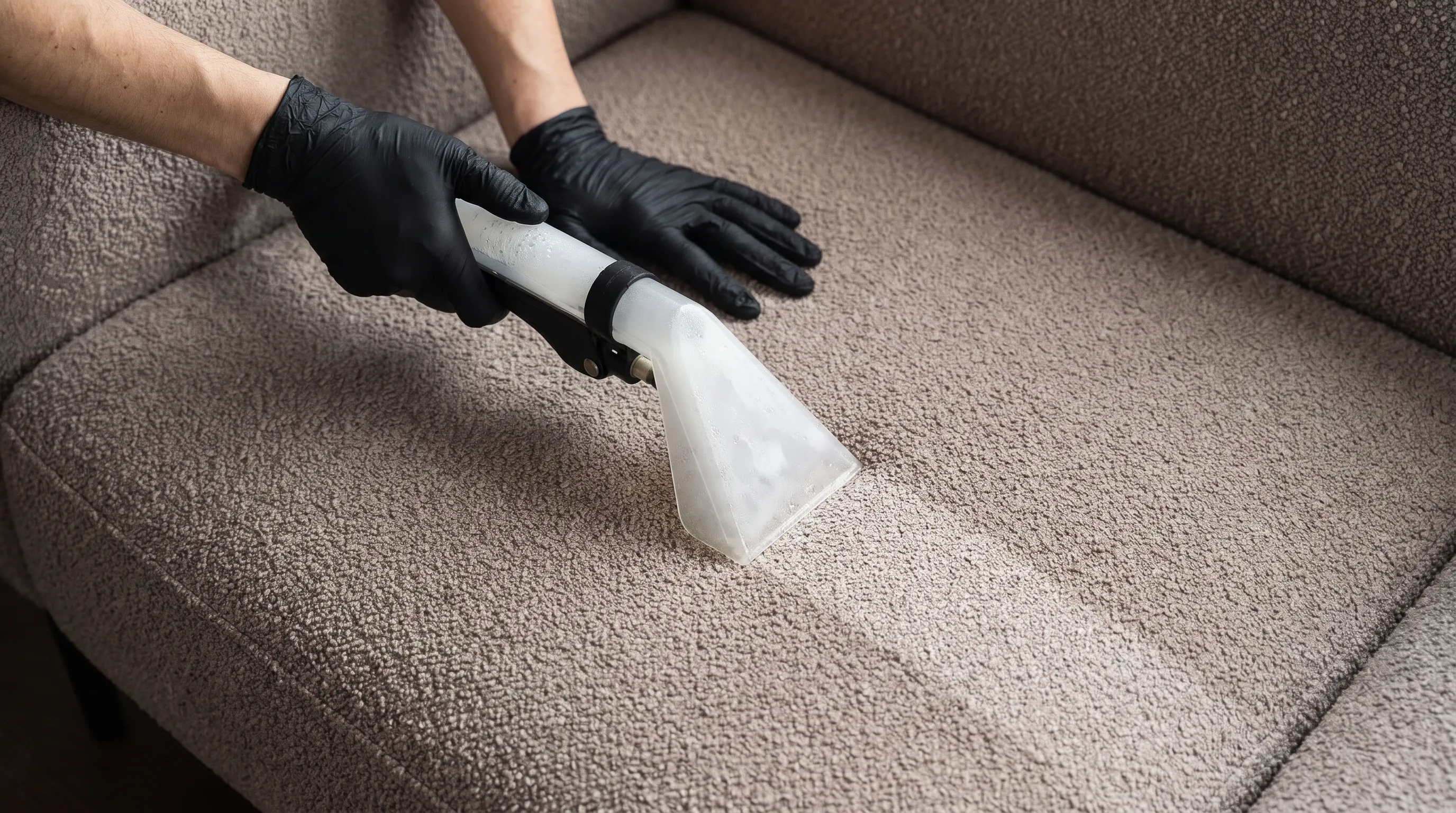
Linen is porous, and wine, coffee or fruit juice soak in noticeably faster than into dense velvet or leather. A fresh spill needs blotting within the first minute or two — after that, the liquid’s dye penetrates the fibre structure deeper and becomes much harder to lift.
- Tensile strength — among the highest of natural fibres, lasts decades
- Hypoallergenic, no static — comfortable even for sensitive skin and allergy-prone homes
- Natural "noble ageing" — softens rather than thins over the years
- Cons — creasing, shrinkage from incorrect washing, fast-absorbing acidic stains
Blended fabrics behave more calmly
Linen blended with cotton or viscose (typically 30–50% of the blend) keeps linen’s texture, but its creases smooth out faster and look softer — the secondary fibre partially offsets pure linen’s stiffness, adding elasticity without losing the signature texture.
Blends have a trade-off too: some of the "noble ageing" effect that draws people to pure linen fades in proportion to the blended fibre’s share — a 50/50 cotton blend ages more predictably but less dramatically than pure cloth. A fair trade-off, not a universally "better" choice.
Where linen suits best
Linen works well in a country house or a summer living room, where its naturally soft texture reads as part of the style rather than untidiness. In a formal living room with a crisp, pressed look, pure linen’s creases can read as unfinished, and a blend or another material serves the brief more confidently there.
How to spot good linen from weak linen in a showroom
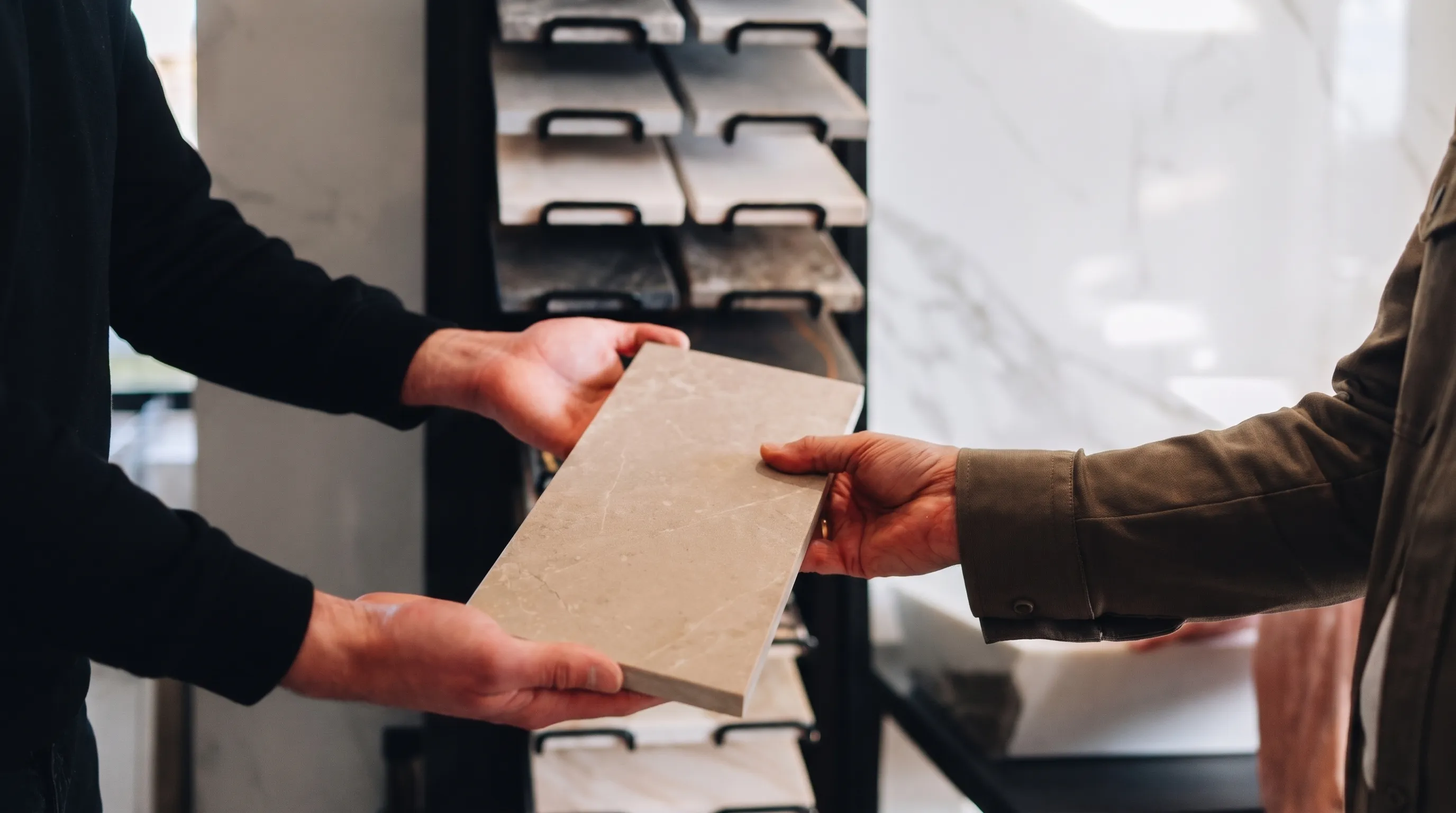
Upholstery-grade linen typically starts at 240–250 gsm; anything lighter suits clothing or curtains better than upholstery under daily stretch. Dense, quality linen feels noticeably heavier in hand and lets through less light than a lighter cloth of the same texture.
Pro: linen tolerates frequent cover changes well
For furniture with removable covers, linen is a good pick exactly because it tolerates frequent putting-on and taking-off without stretching out of shape, unlike elastic fabrics that gradually lose their fit from repeated pulling through a zip. The stiffness that keeps linen from looking perfectly smooth becomes an asset here — the cover holds its shape even after dozens of cycles a season.
Con: linen costs more than the cheapest synthetics
Natural linen fibre costs more to produce than mass synthetic alternatives — polyester or acrylic — simply because linen needs more complex processing from plant stem to finished yarn. Upholstery linen typically runs 20–40% above comparable-density synthetics, worth budgeting for upfront rather than discovering at the final quote.
Con: bright, saturated colours are harder to achieve on linen
Linen fibre holds bright, saturated pigment less readily than cotton or synthetics, which is why linen fabrics traditionally lean toward natural, slightly dusty tones rather than loud, pure colour. This is a fibre property, not a manufacturing shortcoming — anyone wanting a bright, saturated upholstery colour generally will not find it in pure linen regardless of supplier.
Linen and smell: a neutrality rarely noticed
A little-known linen trait: it barely holds onto outside smells, unlike synthetic pile that gradually accumulates cooking, smoke or pet odours even with regular cleaning. This comes from the same fibre structure behind its good moisture and air permeability — linen releases odour molecules back into the air faster instead of trapping them.
For an open-plan kitchen zone where a sofa stands a few metres from the stove, this becomes practically relevant in a way rarely mentioned alongside texture and creasing — a linen sofa in that zone smells far more neutral years in than a synthetic one of equal density.
Linen against its closest alternatives
- Linen vs cotton — linen is stronger and barely builds static; cotton creases less and holds bright colour better
- Linen vs herringbone weave — linen feels softer and more natural; herringbone is more practical with kids and pets
- Linen vs linen-viscose blend — pure cloth ages more dramatically; the blend creases less and is more predictable to care for
- Linen vs synthetics — linen is more hypoallergenic and pleasant to the touch; synthetics are cheaper and brighter in colour
How to extend pure linen’s life without giving it up
For those who chose pure linen deliberately and are ready to live with creasing, a few habits extend its tidy look without changing the cover. Keeping two sets of matching cushions and rotating them every few weeks stops one pair from developing permanent creases at the same points, letting them rest and partly relax in storage.
A second habit is light steaming with an iron on its steam function, held a short distance from the fabric without the soleplate touching it directly. Steam relaxes linen fibre and smooths out some creases without risking scorching or shine, unlike direct hot ironing, which is not recommended for linen upholstery on a frame at all.
A third, simplest habit is an ordinary clothes brush, run once or twice a week over the seat and back in one direction. It will not smooth creases the way steam does, but it lifts the fibre’s surface slightly and refreshes the fabric’s look between more thorough care routines.
A note from a KALLEN HOME upholstery technologist
"We ask clients to choose pure linen deliberately — a fabric with character, actually more pros than cons, just one very visible con: creasing. For a city living room with a crisp look we almost always recommend a blend; for a dacha or a bright summer room, pure cloth without hesitation," notes the production team.
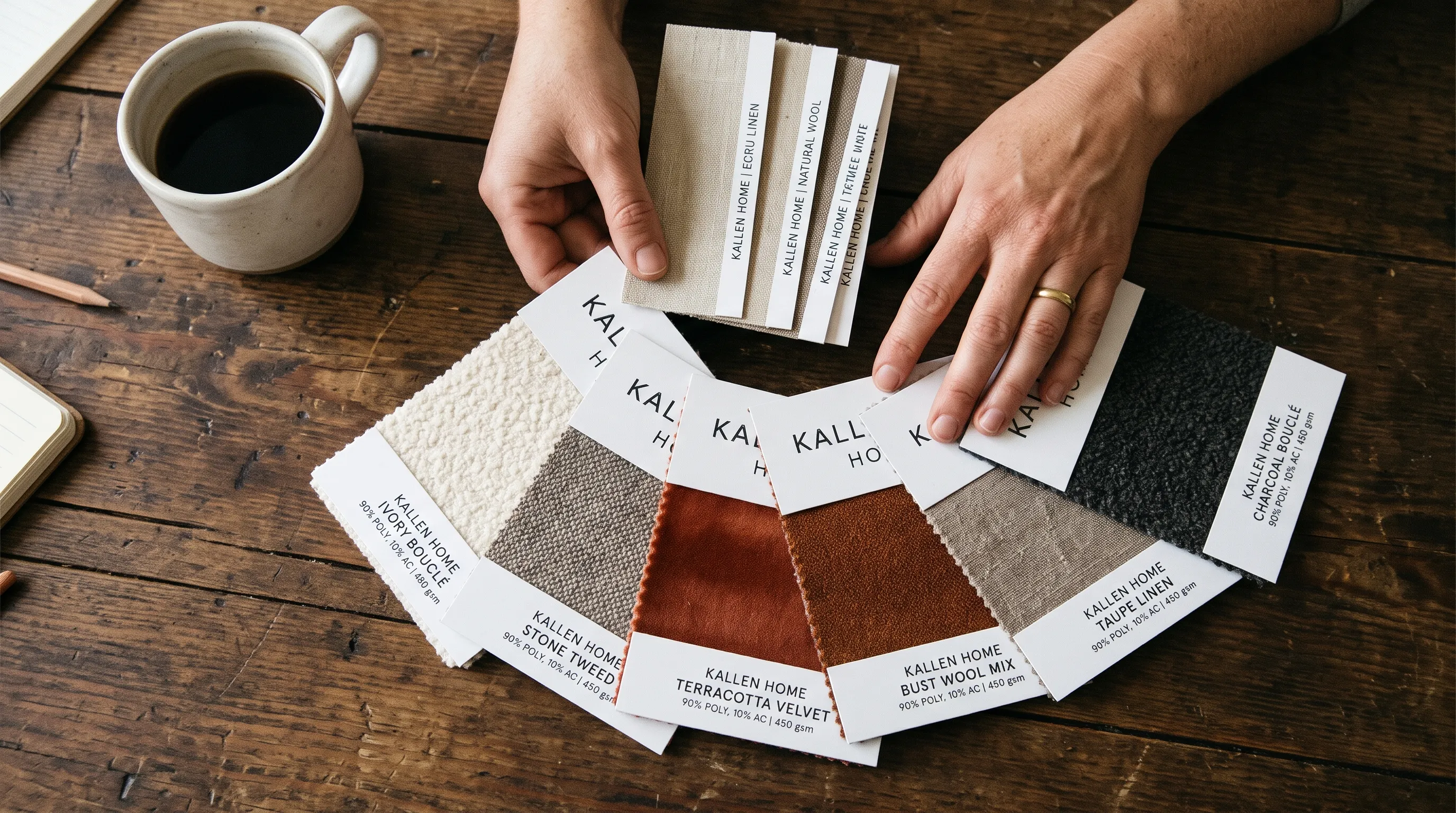
By their observation, disappointment with pure linen almost always comes not from the fabric itself but from a mismatch in expectations: wanting linen for its natural feel and coolness while picturing a perfectly smooth, crease-free silhouette — two different, equally valid goals calling for different fabrics. Their standard advice is to live with an A4-sized swatch at home for a week before approving the cut.
In the end, the choice between pure linen and any alternative is not "which fabric is better" in an absolute sense, but a question of fit with a specific lifestyle and room. Linen works beautifully where its character is welcome, and becomes a source of mild disappointment where the upholstery is expected to behave like an entirely different material — a mismatch best resolved at the fabric-choice stage, not after the sofa is already built and covered.
Can linen be combined with other fabrics on one sofa
Yes, and it is a sensible solution for anyone who loves linen’s texture but cannot tolerate creasing in the highest-wear zones. Zoning — linen on the back and cushions, a denser blend on the seat and armrests — keeps the natural character where it is seen and touched less, and removes the main downside exactly where it would show first.
Such a combination needs more careful shade-matching so two different materials read as one whole rather than randomly stitched pieces — usually by choosing linen and a blend from the same manufacturer’s colour line, where shades are matched to each other at the dyeing stage.
A good workshop flags this at the swatch stage, not after the fact — a colour gap between two different makers’ fabrics, invisible on a small sample, can become visible only on a finished sofa’s full-size surface.
Linen and allergies: a rare but important plus
Linen is a hypoallergenic material and very rarely triggers skin reactions even in sensitive people, unlike some chemically treated synthetics or artificial pile that can irritate skin after prolonged contact. For families with young children or adults prone to skin sensitivity, this property sometimes outweighs every practical con around creasing and shrinkage.
A short checklist before ordering linen upholstery
- Are you ready to accept creasing as part of the look, not a fault
- Does the piece need a daily smooth, pressed silhouette, or does natural texture suit it
- How often will acidic liquids — wine, coffee, juice — land on it
- Is the room’s heating stable year-round, or would a blend suit better
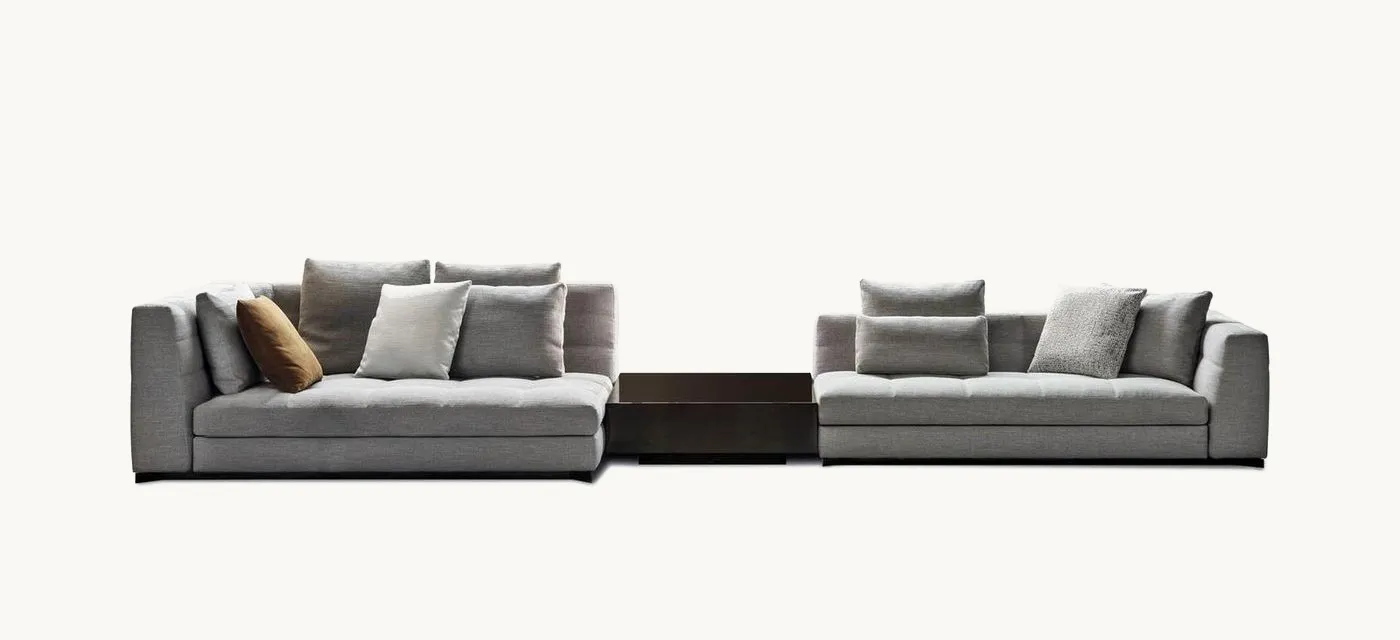
See the Blazer sofa in the catalogue
Frequently asked questions
Is it normal for linen to crease after purchase?
Yes, that is a natural property of the fibre, not a fabric defect — linen creases from day one of use.
Which fabric blend creases less?
Linen blended with 30–50% cotton or viscose — the secondary fibre softens pure linen’s stiffness.
Is linen suitable for a sofa used daily?
Yes, especially blended linen — it holds up to daily use and looks calmer than pure cloth, and linen overall is one of the most tear-resistant natural fibres.
Does linen shrink after washing?
It can shrink 3–5% from hot washing or machine drying — a delicate cycle under 30°C and air drying largely avoid this.
How fast should a spill be cleaned from linen upholstery?
Within the first minute or two, blotting with a dry cloth rather than rubbing — linen is porous and absorbs dyed liquid quickly.